Pyrotechnics Accidents in Álava: Lantarón Blast Follows Prior Incident
The tranquil municipality of Lantarón, nestled in the picturesque Alavese region, was abruptly shattered by a devastating pyrotechnics explosion, casting a pall of grief and concern over the community. The incident, which occurred at the historic Pirotecnia FML facility in Bergüenda, resulted in one fatality and left another worker severely injured, highlighting the inherent dangers of the pyrotechnics industry. This tragic event has not only sent shockwaves through Álava but also drawn comparisons to a similar incident in the region just over a year ago, raising critical questions about safety protocols and industrial oversight.
The Devastating Lantarón Blast: A Community in Mourning
On a Monday morning, at approximately 11:10 AM, a powerful explosion ripped through Pirotecnia FML in Bergüenda, a council within the Lantarón municipality, located about 44 kilometers from Vitoria, near the border with Burgos. The force of the blast was immense, shaking nearby homes and sending a plume of black smoke into the sky, along with debris like a "flying lid" witnessed by a startled local resident.
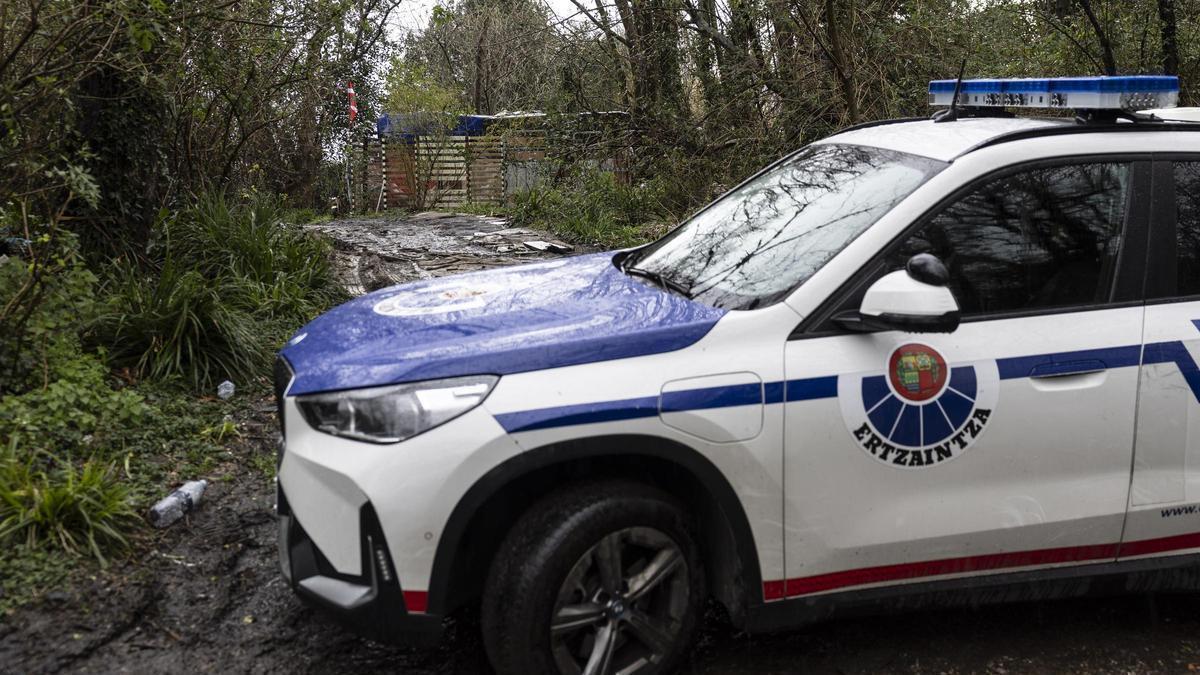
Emergency services, including the Ertzaintza's Explosives Unit, the Canine Unit, fire brigades from Nanclares de la Oca and Espejo, and medical personnel, responded with exceptional speed. Despite their rapid deployment, the outcome was tragic: one worker died instantly, and another suffered severe burns, requiring an urgent helicopter transfer to the Major Burns Unit at Cruces Hospital. Both victims were employees of the esteemed company, tragically caught in the heart of the blast.
The deceased was identified as a resident of Tuesta, a married man with two daughters, well-known and respected in the valley. His loss has profoundly impacted the close-knit community, leaving many "shattered by the situation he leaves behind."
At the time of the explosion, four individuals were present at the FML facilities. The two victims were working in a specialized shed dedicated to the manipulation of pyrotechnic materials, which has been identified as the epicenter of the detonation. Fortunately, the owner of the company and an administrative staff member, who were in a different part of the complex, emerged unharmed. The owner, according to Lantarón Mayor Koldo Salbidea, was deeply affected by the catastrophe, known for his diligent focus on safety.
A Legacy Shattered: Pirotecnia FML and its History
Pirotecnia FML, a family-run enterprise under the Martínez de Leceta family, boasts a rich and extensive history, making it one of Spain's oldest pyrotechnics companies. Its roots trace back to the 19th century in Ozaeta, with the company establishing its operations in Bergüenda 42 years ago. Over four generations, the family has built a formidable reputation, being responsible for many significant displays, including the iconic final firework display of the La Blanca festivities during Celedón's descent. This deep historical connection makes the incident even more poignant for the region, as a cornerstone of local tradition now faces an uncertain future. For more details on the incident, refer to this article:
Fatal Pyrotechnics Explosion in Lantarón: One Dead, One Injured.
A Troubling Pattern: Álava's Prior Pyrotechnics Incident
The Lantarón tragedy is not an isolated event for the province of Álava. A year and a half prior, in September 2024 (as per reference context), a similar explosion occurred at Pirotecnia Valecea in Berantevilla. That incident, while significant enough to devastate three buildings and ignite a substantial fire, thankfully did not result in serious injuries. Crucially, the Berantevilla explosion took place in a warehouse, whereas the Lantarón blast was confined to a manipulation shed where workers were actively handling materials. This distinction is vital, underscoring different risk profiles within pyrotechnics operations and the heightened danger associated with direct material handling. The recurrence of such incidents within a relatively short period raises serious concerns about the oversight and enforcement of safety standards across the region's pyrotechnics industry.
Unraveling the Causes: The Investigation Ahead
The immediate aftermath of such a devastating event is always followed by a rigorous investigation to ascertain the precise causes. Mayor Salbidea confirmed that the explosion occurred in a manipulation shed, not a main storage facility, which could point towards specific operational factors. Investigations into pyrotechnics incidents typically involve experts in explosives, chemical engineering, and industrial safety. They will meticulously examine:
- Material Handling Procedures: Were the proper protocols followed for mixing, pressing, and handling explosive compounds?
- Equipment Functionality: Was there any malfunction in machinery or tools used for processing?
- Environmental Factors: Conditions like static electricity, heat, or friction can be catalysts for accidental ignition.
- Training and Compliance: Were workers adequately trained, and were all safety regulations strictly adhered to?
- Structural Integrity: Though not the cause, the design of the shed and its ability to mitigate explosions will be reviewed.
Understanding what caused the deadly Lantarón pyrotechnics explosion at FML is paramount not only for justice but also for preventing future tragedies. You can find more information about the potential causes here:
What Caused the Deadly Lantarón Pyrotechnics Explosion at FML?
Preventing Future Tragedies: Industry Best Practices and Regulations
The inherent risks associated with pyrotechnics manufacturing necessitate the highest standards of safety. For industries dealing with explosive materials, robust regulatory frameworks and continuous adherence to best practices are not just recommendations but life-saving imperatives. Here are some key areas that warrant constant attention:
- Strict Adherence to Safety Protocols: Every step of the pyrotechnics manufacturing process, from material storage to final assembly, must be governed by detailed, rigorously enforced safety protocols.
- Regular Safety Audits and Inspections: Independent bodies and regulatory agencies must conduct frequent and thorough inspections to ensure compliance with national and international safety standards.
- Advanced Employee Training: Workers must undergo comprehensive and recurrent training on safe handling procedures, emergency response, and the specific hazards of the materials they work with.
- Investment in Safety Technology: Utilizing explosion-proof equipment, remote handling systems, and advanced ventilation can significantly mitigate risks.
- Segregation of Hazardous Operations: High-risk processes, such as material manipulation, should ideally be conducted in isolated, specially designed structures to minimize collateral damage and personnel exposure in case of an incident.
- Emergency Preparedness: Factories must have robust emergency plans, including rapid evacuation procedures, immediate access to medical aid, and effective communication systems for first responders.
The Spanish phrase "herido explosión lantarón" (injured explosion Lantarón) resonates with the painful reality faced by the community. It serves as a stark reminder of the human cost when industrial safety falters. While accidents can sometimes be unpredictable, a proactive and unwavering commitment to safety can significantly reduce their likelihood and severity.
Conclusion
The recent explosion at Pirotecnia FML in Lantarón is a profound tragedy that has claimed a life and left another gravely injured, reminding us of the extreme care required in the pyrotechnics industry. Combined with the earlier incident in Berantevilla, it underscores a critical need for vigilance, stringent safety enforcement, and continuous innovation in risk management within Álava's industrial landscape. As investigations continue to shed light on the Lantarón blast, the hope is that lessons learned will be meticulously applied, leading to enhanced safety measures that protect workers, prevent future incidents, and allow the community to heal and rebuild with renewed confidence in industrial safety.