Tragedy Strikes FML: What Caused the Deadly Lantarón Pyrotechnics Explosion?
A serene morning in the Basque Country's Álava region was shattered by a devastating blast at FML pyrotechnics in Lantarón, leaving a community reeling from loss and grappling with unanswered questions. On a recent Monday, at approximately 11:10 AM, a powerful explosion tore through the facility located in Bergüenda, a municipality just 44 kilometers from Vitoria. The tragic incident resulted in the immediate death of one worker and critically injured another, casting a somber shadow over one of Spain's oldest and most respected pyrotechnics companies.
The aftermath saw a rapid deployment of emergency services, including the Ertzaintza's Explosives Unit and Canine Unit, along with firefighters from Nanclares de la Oca and Espejo, and medical personnel. Despite their swift and coordinated efforts, described by local officials as "spectacular," one life could not be saved. The profound impact of this event underscores the inherent dangers of the pyrotechnics industry and the critical importance of stringent safety protocols.
The Lantarón Pyrotechnics Blast: A Tragic Morning Unfolds
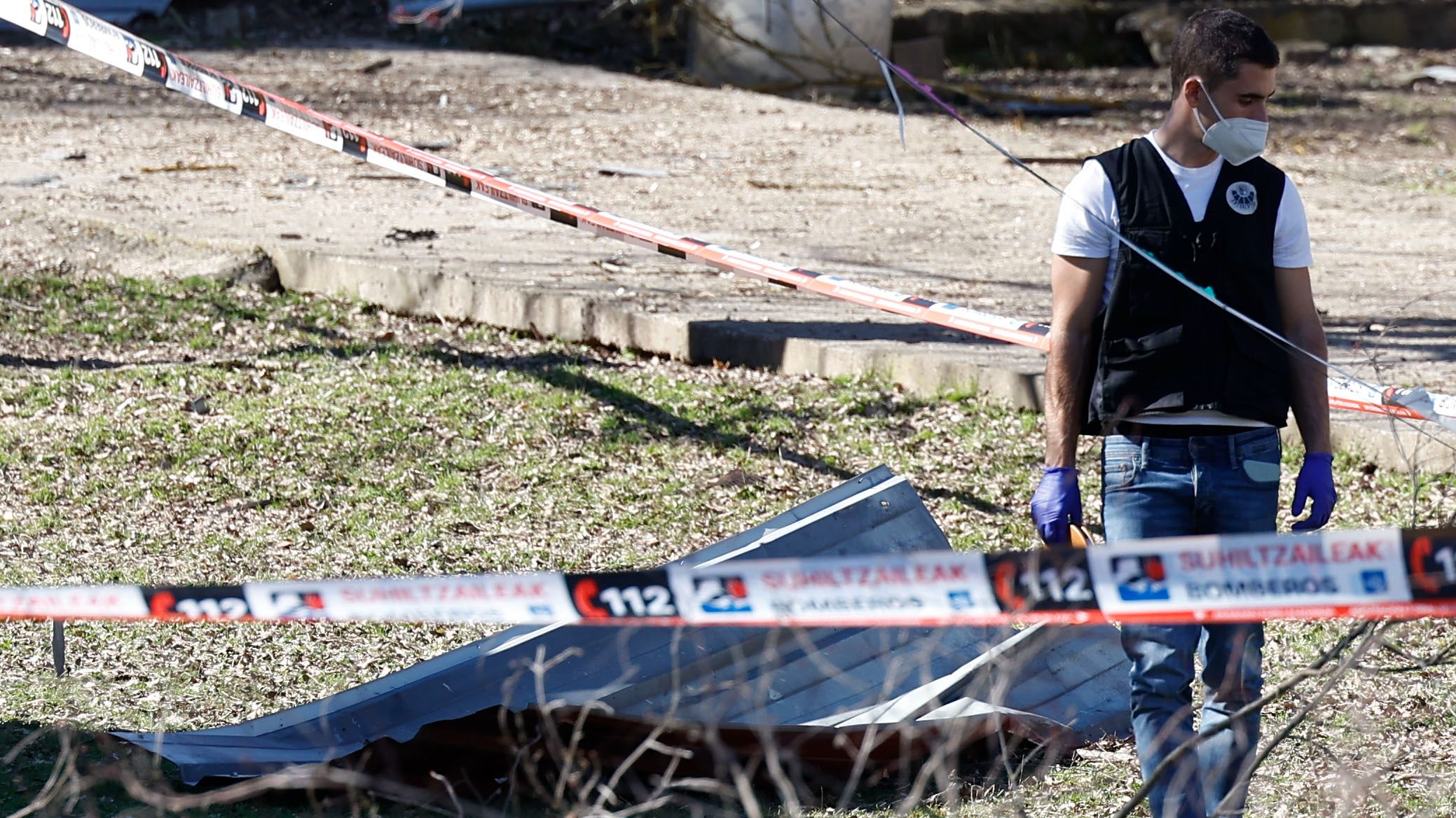
The explosion at FML Pyrotechnics was not merely an industrial accident; it was a deeply personal tragedy for the community of Lantarón. Eyewitness accounts paint a vivid picture of the immediate chaos. A resident living close to the facility reported hearing a "strong explosion" that caused their entire house to tremble. Moments later, a "large black cloud" billowed into the sky, followed by debris, including a cover, seen flying and falling from an estimated thirty meters. The sheer force of the blast was undeniable, creating a scene of shock and concern.
The two victims, both employees of FML, were reportedly working in a manipulation shed when the explosion occurred. This detail is crucial, as it suggests the incident took place during the active handling and preparation of pyrotechnic materials, rather than within a storage warehouse. The deceased worker was identified as a resident of Tuesta, a married father of two daughters, whose passing has left his family and the wider valley community in profound grief. The gravely injured in the Lantarón explosion was airlifted to the Major Burns Unit at Cruces Hospital, battling for recovery from severe injuries.
Two other employees, the company owner and an administrative worker, were present at the facilities but were fortunately unharmed. Lantarón's mayor, Koldo Salbidea, who promptly visited the scene, noted the owner's deep distress, highlighting his consistent concern for safety within the long-standing company.
Unraveling the Cause: An Ongoing Investigation
The central question echoing through the community and industry alike is: What caused this deadly explosion in Lantarón? At present, the exact causes remain under rigorous investigation by the Ertzaintza's Explosives Unit. Their work involves meticulously examining the scene, gathering evidence, and analyzing the circumstances within the manipulation shed where the blast originated.
Understanding the location of the explosion—a manipulation shed—is key. Pyrotechnic facilities typically separate various operations to minimize risk. Manipulation sheds are areas where raw materials are processed, mixed, and assembled into finished products. This environment, by its very nature, involves direct human interaction with sensitive and potentially volatile compounds. Factors often considered in such investigations include:
- Material Handling Procedures: Were all protocols followed for mixing, pressing, or assembling pyrotechnic components?
- Static Electricity: The accumulation of static charges can ignite sensitive materials.
- Friction or Impact: Accidental friction or impact during handling could trigger a reaction.
- Chemical Instability: Unforeseen reactions or degradation of materials.
- Equipment Malfunction: Faulty machinery or tools used in the manipulation process.
- Environmental Factors: Temperature, humidity, or other atmospheric conditions.
While it is critical to await the official findings of the investigation, the incident serves as a stark reminder of the precision and extreme caution required in every step of pyrotechnic manufacturing. The industry operates under strict regulations precisely because of the inherent risks, emphasizing the need for continuous vigilance and adherence to best practices.
FML Pyrotechnics: A Legacy Shattered
The FML pyrotechnics company, operated by the Martínez de Leceta family, is more than just a business; it represents a significant piece of Spanish industrial heritage. Established in the 19th century in Ozaeta, and having been located in Bergüenda for 42 years, FML stands as one of Spain's oldest pyrotechnic firms. Over four generations, the family has built a reputable company, known for its contributions to numerous celebrations, including famously providing the spectacular final 'traca' for the La Blanca festival in Vitoria during the Celedón ascent.
This long history underscores the profound shock and sorrow felt by the community. A company with such a legacy, deeply intertwined with local culture and festivities, experiencing such a devastating event, leaves an indelible mark. The mayor's comments regarding the owner's dedication to safety suggest a company that, despite the inherent dangers of its trade, strived to maintain secure operations. However, even with stringent measures, the unpredictable nature of pyrotechnic materials means that accidents, though rare, can have catastrophic consequences.
A Pattern of Incidents? Pyrotechnics Safety in Álava
The Lantarón tragedy, unfortunately, is not an isolated incident in the region. Approximately a year and a half prior, a similar explosion rocked the Valecea pyrotechnics company in Berantevilla, also in Álava. That incident, while significant enough to destroy three buildings and cause a substantial fire, thankfully did not result in serious injuries. A key difference noted was that the Valecea incident occurred in a storage warehouse, whereas the Lantarón blast was in a manipulation shed, highlighting varying scenarios within the industry.
These incidents collectively raise important questions about pyrotechnics safety in Álava and across the sector. While explosions are rare given the strict controls, each event underscores the critical need for constant review and improvement of safety protocols. The industry operates under rigorous national and international regulations designed to minimize risks. These typically include:
- Strict Storage Conditions: Separating different types of explosives, controlling temperature and humidity.
- Controlled Manufacturing Environments: Limiting the quantity of materials in manipulation areas, using anti-static flooring, and specialized ventilation.
- Personal Protective Equipment (PPE): Ensuring workers wear appropriate gear.
- Emergency Response Plans: Regular drills and clear evacuation procedures.
- Continuous Training: Keeping staff updated on safety practices and new technologies.
For individuals working in this high-risk sector, adherence to these guidelines is not merely compliance; it is a matter of life and death. The string of events, though infrequent, serves as a poignant reminder that there is no room for complacency when dealing with potentially volatile materials. For more context on the regional impact of such events, read our detailed report on Pyrotechnics Accidents in Álava: Lantarón Blast Follows Prior Incident.
Conclusion
The deadly Lantarón pyrotechnics explosion at FML has left a lasting scar on the community of Bergüenda and the wider Álava region. The loss of a worker and the critical injury of another are stark reminders of the inherent dangers associated with the pyrotechnics industry, even within long-standing and respected companies. As the Ertzaintza's Explosives Unit continues its diligent investigation into the exact causes of the blast in the manipulation shed, the focus remains on understanding what went wrong to prevent future tragedies. This incident, alongside previous events, underscores the critical importance of unwavering commitment to safety regulations, continuous training, and vigilant adherence to protocols across the entire pyrotechnics sector, ensuring that those who work to bring light and celebration to our lives are protected from harm.